
 3 hours ago
1
3 hours ago
1

The public health measures taken in response to this month’s meningitis outbreak in Kent so far appear to be working. Two young people have tragically died – one a sixth-former in Faversham, the other a student at the University of Kent. In the Canterbury area, where cases have been identified at four schools and two universities, thousands of lives have been disrupted and many people are understandably afraid. With 18 confirmed cases, and 11 others being investigated, this is the largest cluster of UK cases in a generation.
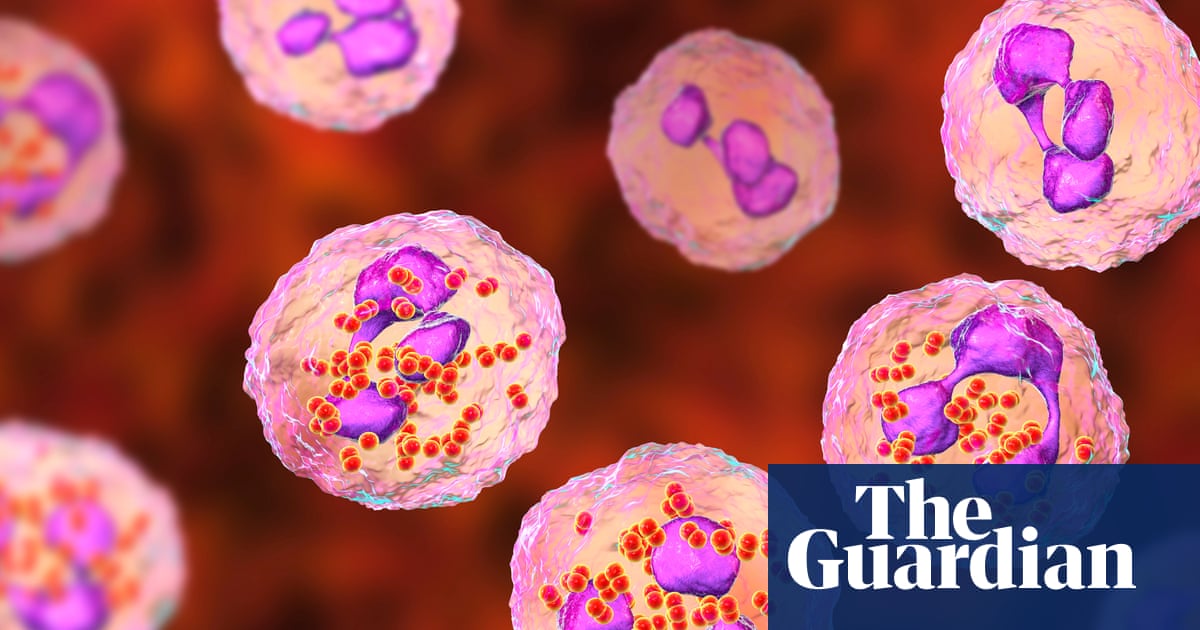
The genes of the meningitis B (MenB) strain of bacteria behind this outbreak are being examined in laboratories. In Kent, they appear to have caused septicaemia, or blood poisoning, as well as infection of the membranes that surround the brain and spinal cord. Scientists do not fully understand what causes meningococcal bacteria – which are present in one in 10 people’s bodies without causing illness – to become invasive. Meningitis remains a mysterious as well as a frightening illness, due to its sudden onset and the risk of death.
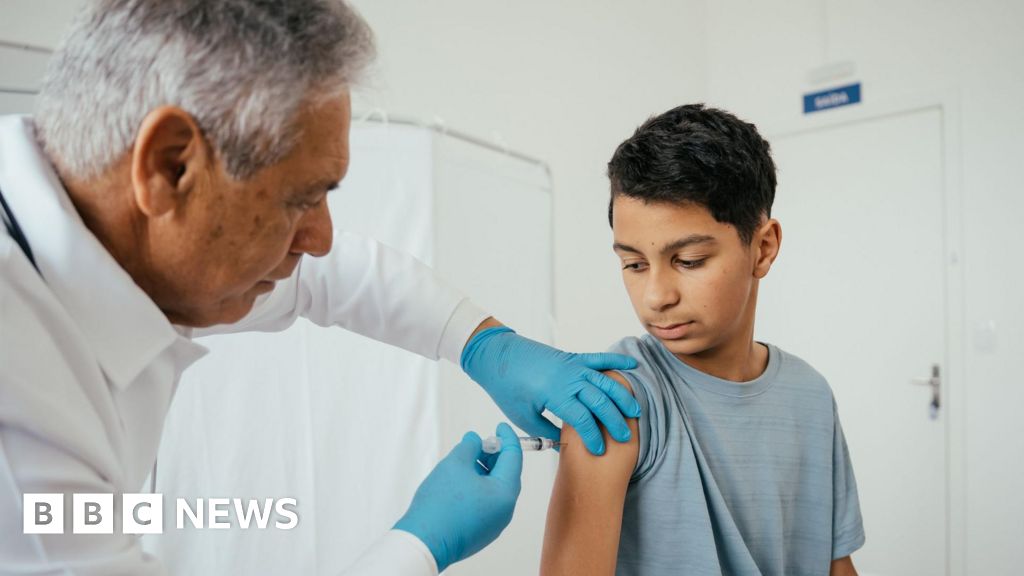
But the public health system of contact-tracing, treatment with preventive antibiotics, and localised vaccinations, appears to have limited the spread. The NHS has decades of experience managing similar situations, and students have followed the advice given to them. So far about 2,500 vaccines have been administered and almost 10,000 precautionary doses of antibiotics have been issued. Due to the Covid pandemic, these young people and millions of others are more familiar with the protocols associated with the prevention of infectious diseases than they would have been before it.
As you would expect following any outbreak of this kind, experts have been tasked with reviewing vaccine eligibility. Previously, other strains were responsible for most meningitis infections and people born before 2015 have not been vaccinated against this one. Some campaigners have proposed that a MenB vaccination should now be rolled out more widely. But the health secretary, Wes Streeting, was right to stress that decisions must be driven by evidence rather than haste. It is not clear how long the protection given by the vaccine lasts.
Twenty-five years ago, there were about 200 deaths in the UK annually from meningococcal disease. The total has stayed below 40 since 2020. That dramatic reduction is part of a wider pattern of success in tackling infectious diseases with a combination of prevention, including vaccines, and improved treatment. Prof Chris Whitty, England’s chief medical officer and an infectious disease specialist, often points out that the bigger public health crisis today is one of inequality and the toll of long-term, chronic illness.
The risk of a future pandemic has not gone away. This week also saw the publication of the latest module of the Covid public inquiry. It found that the NHS came close to collapse, and recommended that the body overseeing infection prevention and control should be strengthened. Ministers need to explain how the existing structure will be affected by the abolition of NHS England. But judging by events in Kent, the system overseen by the UK Health Security Agency (which replaced Public Health England in 2021) is effective in managing a localised outbreak. “When public health works, it’s invisible,” Devi Sridhar wrote last week. That invisibility makes it all the more important that politicians, and the public, are reminded how vital it is.
-
Do you have an opinion on the issues raised in this article? If you would like to submit a response of up to 300 words by email to be considered for publication in our letters section, please click here.








 English (US) ·